What off-takers get
Hydrogen that is produced from the ground, priced on a molecule that needs no electricity and no natural gas to make.
| Natural hydrogen | Electrolytic hydrogen | Hydrogen from gas (SMR) | |
|---|---|---|---|
| Main cost driver | Drilling and gas processing | Electricity and electrolysers | Natural gas price |
| Carbon in the process | None | Depends on the grid | 9–12 kg CO₂ per kg H₂ |
| Water | None consumed | ~9 kg per kg H₂ | Process water |
| Delivery | Wellhead, pipeline to your fence, or power | At the plant | At the plant |
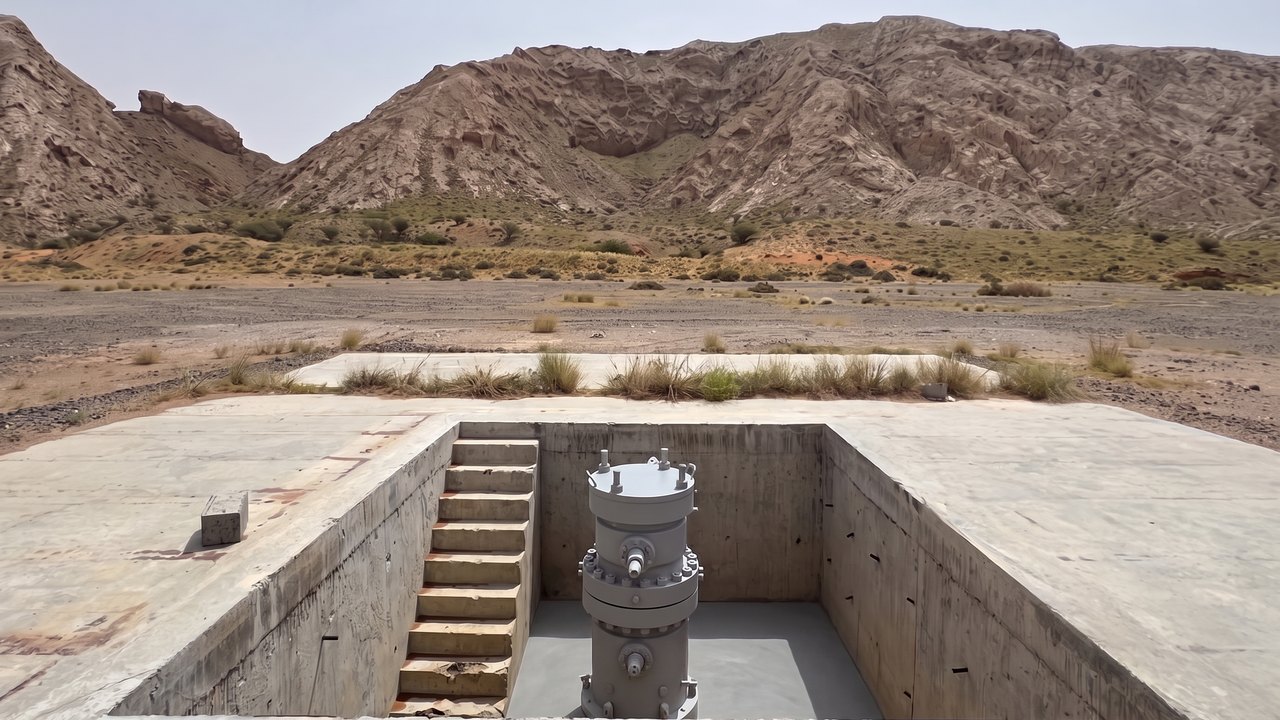
We are building our first supply from an exploration well in Sharjah, where we plan to re-enter and flow-test in early 2027. Early off-takers can secure long-term volumes.
Natural hydrogen could transform the economics of clean energy if we can unlock it. Most hydrogen today is either fossil-fuel dependent (‘grey’ hydrogen) or expensive to produce at scale (‘green’ hydrogen). Natural hydrogen, formed underground through geological processes, offers a clean alternative. Trapped in rock formations, it is abundant, continuously generated and largely untapped.
How does natural hydrogen form?
- Hydrogen is generated undergroundDeep beneath the surface, ultramafic rocks rich in iron minerals like olivine react with infiltrating water in a process called serpentinisation. The reaction oxidises iron, splits water and releases molecular hydrogen (H₂).
- Hydrogen becomes trapped in the rockThe hydrogen migrates and accumulates within fractures and pore spaces, held below dense rock layers.
- Wells bring it to the surfaceA well that reaches the trapped gas brings the hydrogen up for purification and use, with no electrolyser and no fossil fuel.
How the fluid system works
Conceptual model, not to scale. Water reaches the mantle rock from the surface and, mainly, from the carbonates beneath the ophiolite; hydrogen made at the serpentinisation front rises and is held below a dense dunite cap.
Where can natural hydrogen be found?
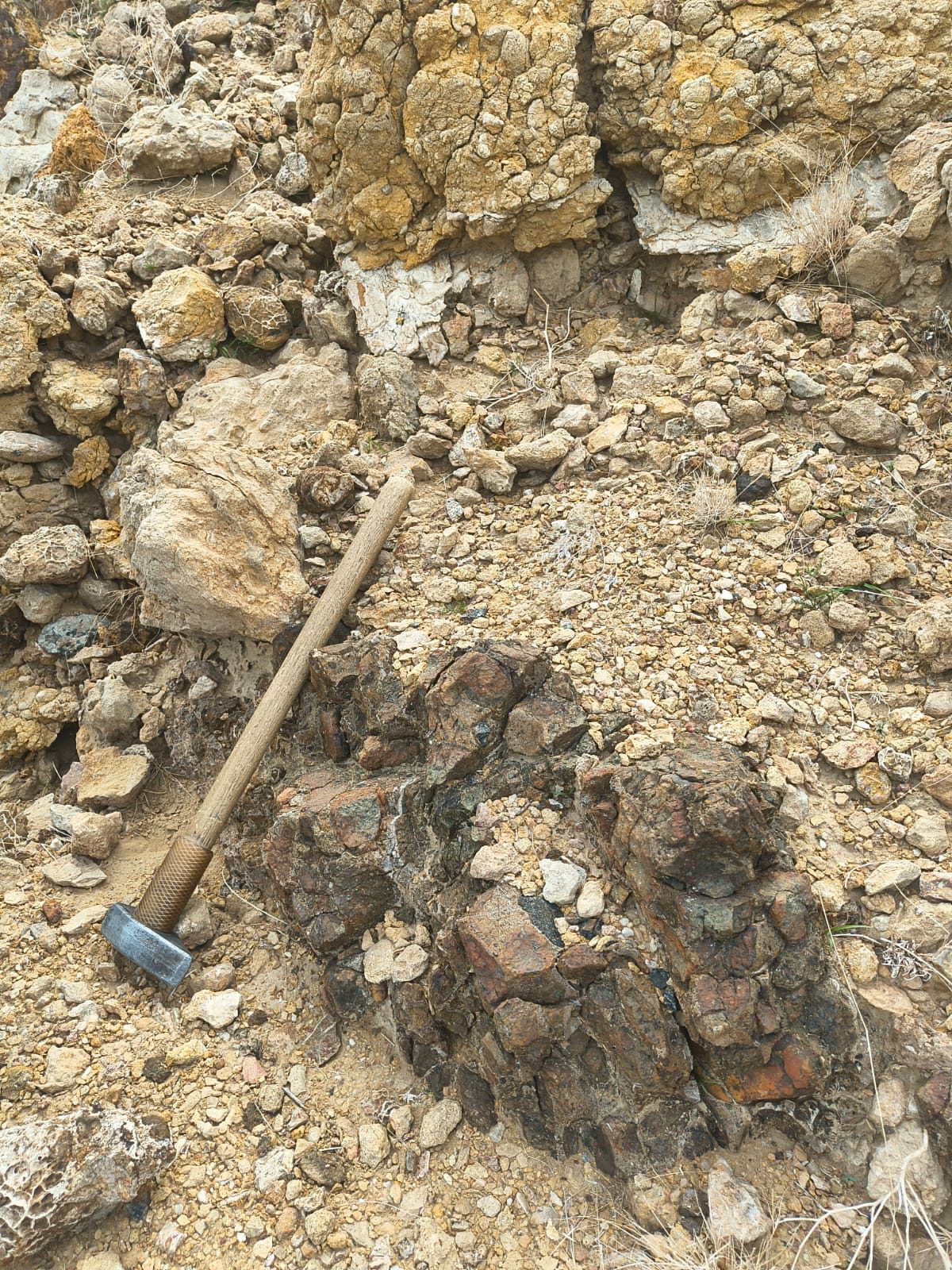
Ultramafic rocks are found worldwide. Decahydron began its work in the Arabian peninsula, where the Semail ophiolite exposes the largest and best-preserved section of the Earth’s mantle anywhere on land. Here the rock sits close to power plants, steel mills and cement factories, so the hydrogen can be used near where it is found.
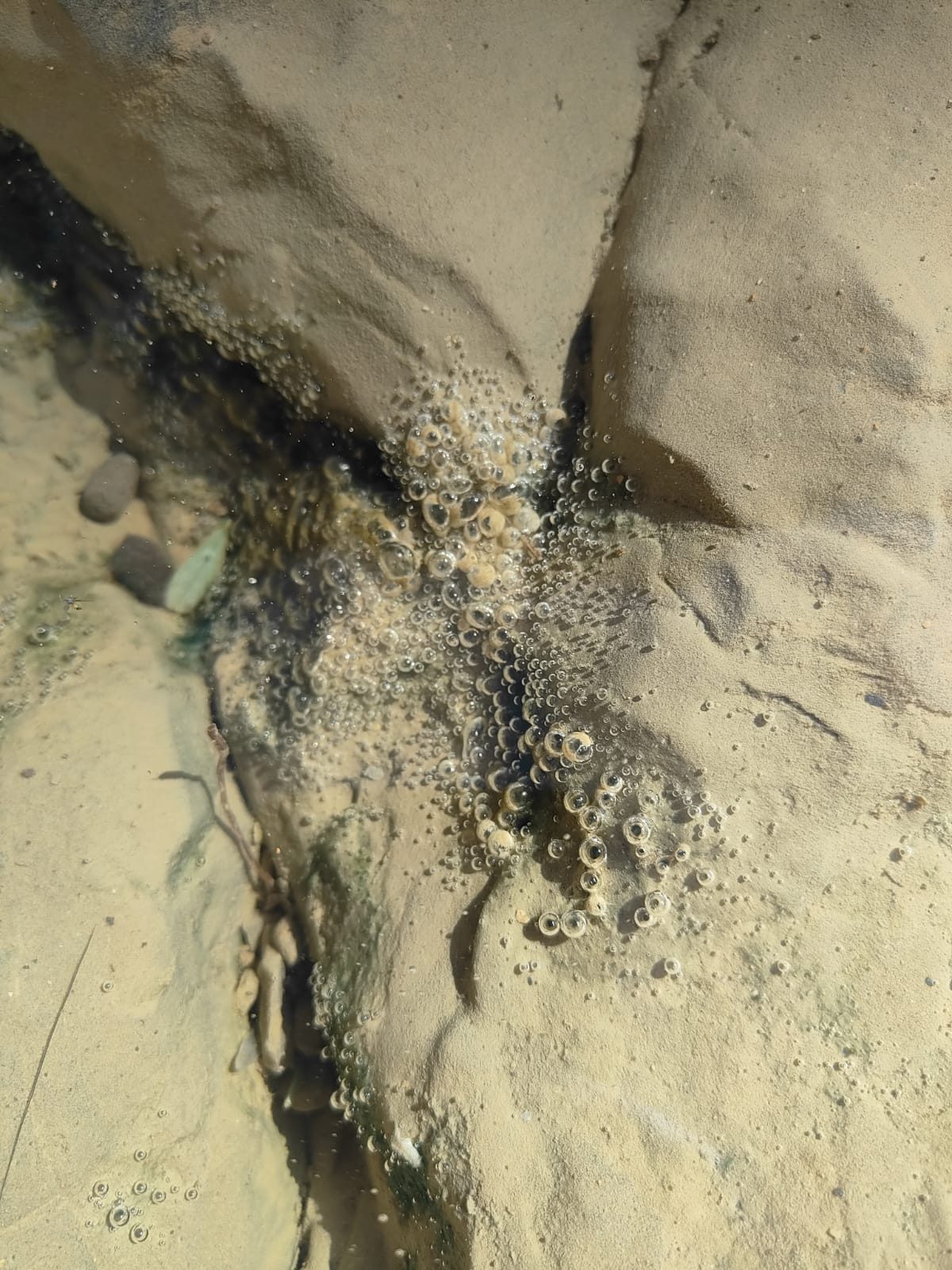
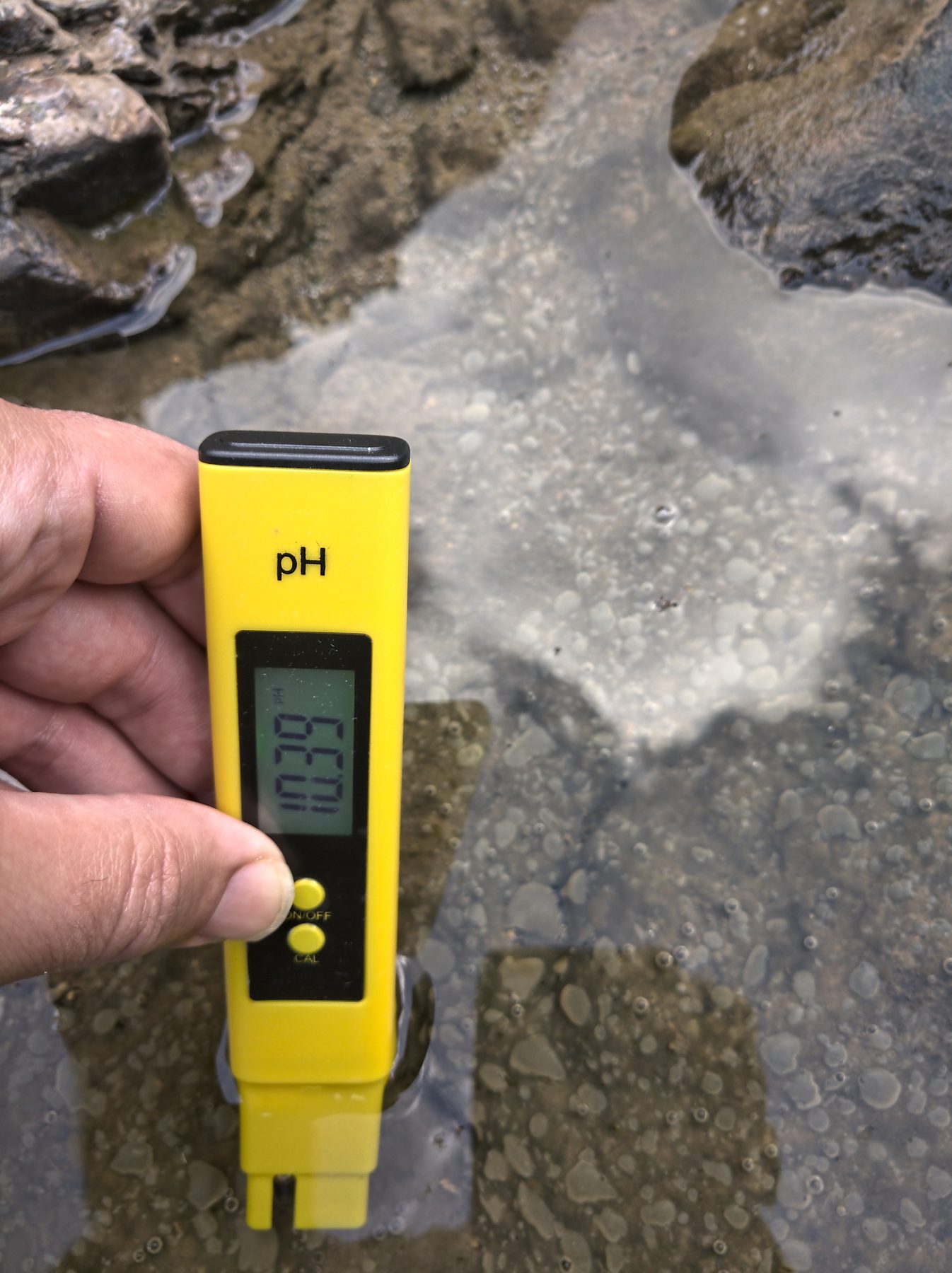
Hydrogen-bearing springs and seeps are documented along the ophiolite belt. We measure them in the field to guide exploration.
How much natural hydrogen can be extracted?
That is what appraisal is for. Natural hydrogen is a young industry, and we would rather measure than promise. Our exploration well in Sharjah recorded gas readings that point to hydrogen in deep fractured peridotite, and the rock around it is more than 95% serpentinised.
The next step is to re-enter the well and test it: measure the gas directly, and see whether it flows. Only then does a resource number mean something.
How can natural hydrogen combat climate change?
By unlocking the planet’s hidden reserves of natural hydrogen, Decahydron is opening the door to a future where hydrogen is no longer expensive or environmentally damaging to produce. Used directly for power, as we are assessing with SNOC in Sharjah, it can serve energy-intensive facilities such as data centres without the cost of storage and transport.
When will we see production?
Re-entry and testing of the exploration well in Sharjah is planned for early 2027 with our partner Weatherford. What we learn there will set the pace for everything that follows.